
In the fast-paced business landscape of 2026, efficient and professional business invoice creation isn't just a administrative task—it's the backbone of your company's financial health, a statement of your professionalism, and a crucial driver of consistent cash flow. For freelancers, independent professionals, entrepreneurs, and SME owners, managing finances can often feel like a juggling act. But what if one of the most critical elements, invoicing, could be transformed from a time-consuming chore into a streamlined, automated process that empowers your growth?
At Invoiceror, we understand these challenges. Our mission is to simplify your financial operations, ensuring you get paid accurately and on time, every time. This comprehensive guide will delve into the intricacies of modern invoice creation, highlighting its importance, key components, and how smart automation can elevate your business in today's digital economy.
The Cornerstone of Cash Flow: Why Proper Invoicing Matters

For any business, from a budding freelance consultancy to a growing SME, cash flow is king. Without a steady influx of payments, even the most innovative and successful ventures can face significant hurdles. This is precisely where meticulous business invoice creation plays an indispensable role. An invoice is more than just a request for payment; it's a legal document, a detailed record of services rendered or goods sold, and a professional communication tool that sets clear expectations with your clients.
In 2026, with an increasingly digital and interconnected global economy, the stakes for accurate invoicing are higher than ever. Incorrect or delayed invoices can lead to:
- Delayed Payments: The most immediate and painful consequence. Ambiguous invoices often result in client queries, rework, and ultimately, payment delays that cripple your working capital.
- Cash Flow Disruptions: A ripple effect of delayed payments, leading to difficulties in meeting your own operational expenses, payroll, and investment opportunities.
- Legal and Compliance Issues: Invoices serve as critical evidence for tax purposes, audits, and potential legal disputes. Incomplete or non-compliant invoices can expose your business to penalties and legal challenges. For instance, tax authorities like the IRS in the U.S. require businesses to maintain accurate records, and invoices are central to this compliance.
- Damaged Client Relationships: A poorly prepared invoice can convey unprofessionalism, eroding client trust and potentially impacting future business opportunities. Clients appreciate clarity and efficiency, which extends to their billing experience.
- Inefficient Record-Keeping: Without a systematic approach to invoicing, tracking revenue, managing expenses, and forecasting future income becomes incredibly difficult, hindering strategic business decisions.
Conversely, a robust invoicing strategy ensures clarity, transparency, and efficiency. It establishes a professional image, fosters trust with clients, and provides the essential data needed for financial analysis and strategic planning. By prioritizing proper invoice creation, you're not just ensuring payment; you're building a resilient financial infrastructure for your company's sustainable growth.
Essential Elements of an Impeccable Business Invoice

To ensure your invoices are clear, legally compliant, and prompt payment, they must contain specific, crucial information. Missing even one key detail can lead to delays or disputes. Here’s a breakdown of the essential elements every professional business invoice creation should include, especially relevant for the standards of 2026:
- Unique Invoice Number: Every invoice needs a distinct, sequential number. This is vital for tracking, record-keeping, and referencing, especially if you handle numerous transactions. Modern invoicing software automates this, ensuring no duplicates or skipped numbers.
- Date of Issue: The date the invoice was created and sent. This is foundational for calculating payment due dates.
- Payment Due Date: Clearly state when payment is expected. This can be "Due on receipt," "Net 30" (30 days from invoice date), or a specific calendar date. Clarity here is paramount for timely payments.
- Your Company's Information:
- Full legal business name
- Address
- Contact phone number
- Email address
- Website (optional but recommended)
- Business registration number or tax ID (if required by local regulations)
- Client's Information:
- Client's full legal business name or individual name
- Client's address
- Contact person and their details (if applicable)
- Description of Goods or Services: This is where you detail what you're billing for. Be specific, clear, and comprehensive.
- For services: List each service provided, the date performed, description (e.g., "Consulting Services – Project Alpha"), quantity (e.g., hours, days), and hourly/daily rate.
- For goods: List each item, quantity, unit price, and any relevant serial numbers or product codes.
- Quantity/Hours: The number of units or hours for each item/service.
- Unit Price: The cost per unit or hour.
- Line Item Total: Quantity multiplied by unit price for each item.
- Subtotal: The sum of all line item totals before any taxes or discounts.
- Discounts: If any discounts were applied (e.g., early payment discount, loyalty discount), clearly show them and deduct them from the subtotal.
- Taxes: Itemize any applicable taxes (e.g., sales tax, VAT, GST) and specify the tax rate. This varies greatly by region and type of service/good.
- Total Amount Due: The final amount your client needs to pay after all calculations. This should be prominently displayed.
- Payment Terms: Explicitly state your terms beyond just the due date. This might include:
- Accepted payment methods (bank transfer, credit card, online payment platforms).
- Late payment fees or interest charges for overdue invoices.
- Currency of payment.
- Optional additions: Purchase order (PO) number (if provided by the client), project name, or any specific instructions or notes relevant to the transaction.
By including these elements, your invoices will not only look professional but also provide all the necessary information for your clients to process payments quickly and accurately. This level of detail is a cornerstone of effective financial management.
Traditional vs. Modern: Evolution of Invoice Creation
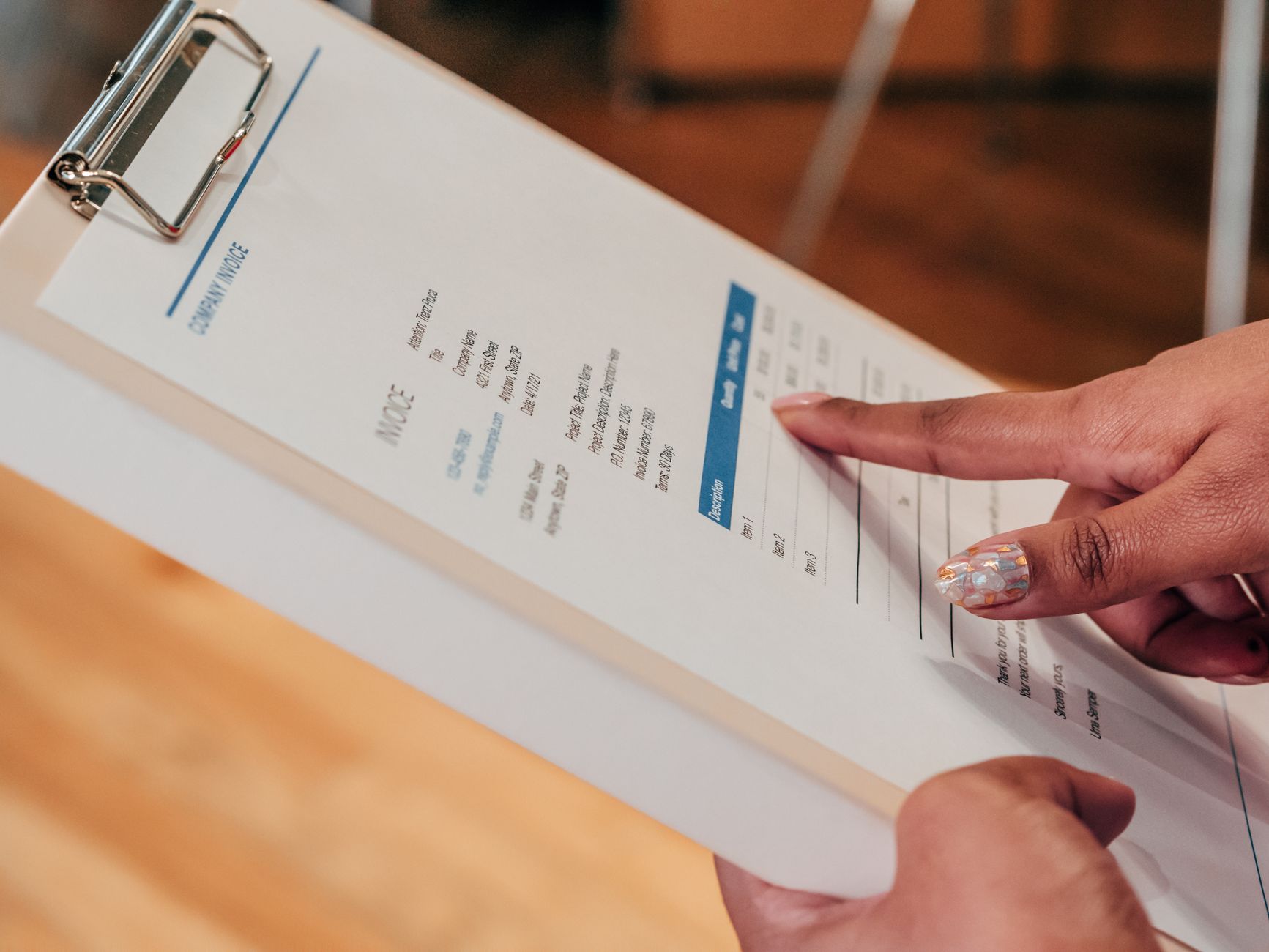
The journey of business invoice creation has undergone a remarkable transformation, reflecting the broader evolution of business operations and technology. Understanding this progression highlights why modern, automated solutions are not just a convenience but a necessity in 2026.
The Traditional Era: Manual and Paper-Based
Not so long ago, invoicing was predominantly a manual, paper-intensive process.
- Handwritten Invoices: Small businesses and freelancers would often scribble invoices by hand, using carbon paper for copies. While charmingly "analog," this method was prone to errors, illegibility, and difficult to track.
- Spreadsheet Invoicing: As computers became more accessible, many businesses adopted spreadsheets (like Microsoft Excel or Google Sheets) for invoice creation. This was a significant step up, allowing for calculations, basic templates, and digital storage. However, spreadsheets still required manual data entry for each new invoice, tracking payments, and reconciling accounts – a time-consuming and error-prone process as your client base grew. Customization was limited, and professional design often required significant effort.
- Print and Mail: Regardless of creation method, the final step was often printing and physically mailing invoices, leading to postal delays, lost mail, and further payment hold-ups.
This traditional approach, while functional for very small-scale operations, quickly becomes a bottleneck for growing businesses. It drains valuable time, increases the risk of human error, and lacks the sophistication needed for comprehensive financial management.
The Modern Era: Digitalization and Automation
The turn of the millennium brought the internet, and with it, a revolution in business operations. Business invoice creation quickly shifted towards digital platforms, offering speed, accuracy, and efficiency.
- PDF Invoices: Sending invoices as PDF attachments via email became standard, eliminating postal delays and costs. While still often generated from manual templates, this was a significant step towards digital delivery.
- Online Invoice Generators: Simple web-based tools emerged, allowing users to input data into a form and generate a PDF. These offered basic templates but lacked advanced features.
- Integrated Invoicing Software (The Invoiceror Way): This is where we are in 2026. Modern invoicing software, like Invoiceror, takes automation and integration to a whole new level. These platforms are designed not just to create invoices but to manage the entire invoicing lifecycle, from client and product management to payment tracking, reminders, and financial reporting.
The shift from manual to automated systems is about more than just speed. It's about empowering businesses with tools that:
- Minimize human error through pre-filled data and automated calculations.
- Improve professionalism with customizable, branded templates.
- Accelerate payment cycles through digital delivery and integrated payment options.
- Provide real-time financial insights and robust reporting.
- Free up invaluable time, allowing entrepreneurs to focus on core business activities rather than administrative tasks.
This evolution underscores a critical message: to thrive in 2026, embracing modern, automated invoice creation is not optional; it’s a strategic imperative.
Harnessing Technology for Smart Business Invoice Creation
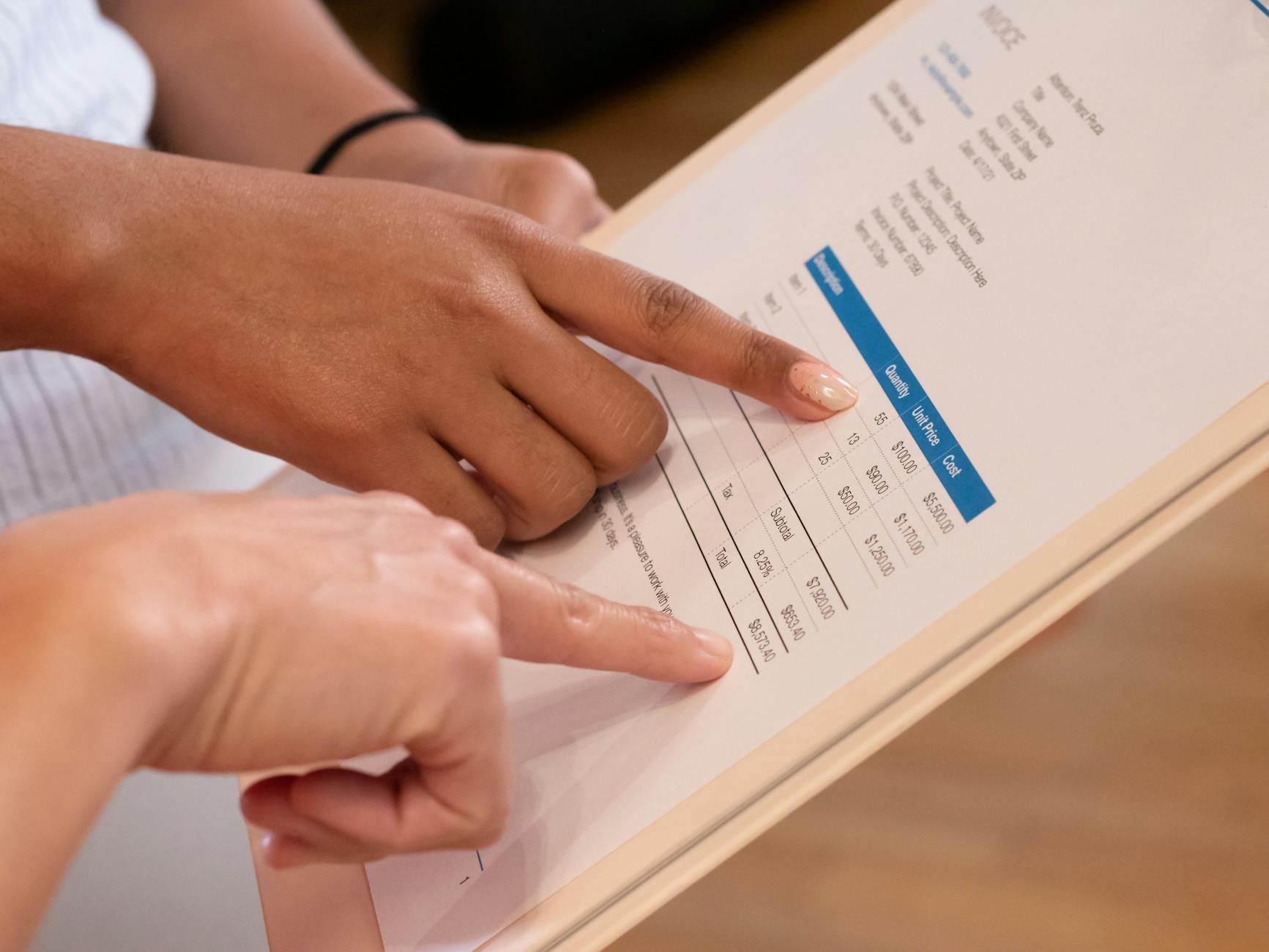
In the current landscape of 2026, leveraging technology for business invoice creation is no longer a luxury but a fundamental necessity for competitive advantage and operational efficiency. The right invoicing software transforms a tedious administrative chore into a strategic asset, empowering businesses of all sizes to manage their finances smarter, not harder.
Here’s how technology, particularly advanced platforms like Invoiceror, revolutionizes invoice creation and management:
1. Automation and Time-Saving
- Automated Invoice Generation: No more manually typing out client details or service descriptions for every invoice. Modern software allows you to store client profiles, service lists, and pricing, pre-populating invoices with just a few clicks. This dramatically reduces the time spent on each invoice.
- Recurring Invoices: For subscription-based services or retainer agreements, you can set up recurring invoices to be generated and sent automatically at predetermined intervals (weekly, monthly, quarterly). This eliminates the risk of forgetting to bill and ensures a consistent cash flow.
- Automated Reminders: One of the biggest challenges is chasing overdue payments. Invoicing software can automatically send polite payment reminders before an invoice is due, on the due date, and after it becomes overdue, significantly reducing the need for manual follow-ups.
2. Enhanced Accuracy and Professionalism
- Error Reduction: Automated calculations for subtotals, taxes, and totals virtually eliminate mathematical errors. Standardized templates ensure all necessary information is included, reducing the chances of missing critical details.
- Branded, Professional Templates: Presenting a consistent, professional brand image is crucial. Invoicing software offers customizable templates that allow you to incorporate your logo, brand colors, and specific messaging, giving your invoices a polished and credible look.
- Digital Record-Keeping: All invoices, payment records, and client communications are securely stored in one centralized digital location, accessible anytime, anywhere. This eliminates paper clutter and simplifies audits and financial reviews.
3. Accelerated Payments and Improved Cash Flow
- Integrated Online Payments: A significant advantage of modern invoicing is the ability to integrate directly with popular online payment gateways (e.g., Stripe, PayPal, Square). Clients can pay directly from the invoice with a click, accelerating payment times.
- Real-Time Payment Tracking: Instantly know the status of every invoice – sent, viewed, partially paid, paid, or overdue. This real-time visibility is crucial for accurate cash flow forecasting and proactive follow-up.
- Multi-Currency Support: For businesses operating internationally in 2026, multi-currency invoicing simplifies transactions with global clients, automatically handling exchange rates and payment preferences.
4. Robust Reporting and Insights
- Financial Dashboards: Get an immediate overview of your business's financial health, including outstanding balances, paid invoices, and revenue trends, through intuitive dashboards.
- Customizable Reports: Generate detailed reports on sales by client, service, or product; overdue invoices; and tax liabilities. These insights are invaluable for strategic planning, budgeting, and identifying growth opportunities.
- Integration with Accounting Software: Many advanced invoicing platforms integrate seamlessly with popular accounting software (e.g., QuickBooks, Xero), eliminating manual data entry and ensuring your books are always up-to-date.
By embracing technology for your business invoice creation process, you’re not just saving time; you’re gaining strategic control over your finances, enhancing client relationships, and positioning your company for sustained growth in 2026 and beyond. Explore Invoiceror's powerful features to see how we make this a reality for your business: Invoiceror Features.
Best Practices for Seamless Invoice Management in 2026

Creating professional invoices is only half the battle; effective invoice management ensures they translate into timely payments and healthy cash flow. In 2026, with businesses increasingly reliant on digital workflows, adhering to best practices is more critical than ever.
1. Send Invoices Promptly and Consistently
- Timeliness is Key: Issue invoices as soon as work is completed or goods are delivered. Delays in sending invoices directly lead to delays in payment. For longer projects, consider milestone-based billing to ensure a steady income stream.
- Consistent Schedule: If you have ongoing projects, establish a consistent billing cycle (e.g., the 1st or 15th of every month) and stick to it. Clients appreciate predictability.
- Automate Sending: Leverage invoicing software to schedule invoice sending. This ensures invoices go out on time without manual intervention.
2. Clearly Define Payment Terms and Methods
- Be Explicit: Your payment terms should be unambiguous on every invoice. State the due date (e.g., "Net 30 days"), accepted payment methods (bank transfer, credit card, online payment gateways), and currency.
- Communicate Upfront: Discuss payment terms with clients before starting any work. Include these terms in your contracts or proposals to avoid misunderstandings later.
- Offer Flexible Payment Options: In 2026, clients expect convenience. Integrate multiple payment gateways (e.g., Stripe, PayPal, ACH) directly into your invoices to simplify the payment process. This is a core strength of platforms like Invoiceror.
3. Implement a Proactive Follow-Up Strategy
- Automated Reminders: Set up automated reminders to be sent a few days before the due date, on the due date, and a few days after. This gentle nudging often prevents invoices from becoming overdue.
- Personalized Follow-Ups: If automated reminders aren't enough, follow up with a personalized email or phone call. Be polite but firm. Sometimes, an invoice simply got lost in their system.
- Escalation Process: For persistently overdue invoices, have a clear, documented escalation process. This might involve additional late fees (if stipulated in your terms), temporary suspension of services, or involving collections agencies for very stubborn cases.
4. Maintain Meticulous Records
- Digital Centralization: Store all invoices, payment receipts, client communications, and contracts in a centralized, secure digital system. Cloud-based invoicing software excels at this, providing easy access and backups.
- Regular Reconciliation: Periodically reconcile your invoices with your bank statements and accounting records. This helps identify discrepancies, track payments accurately, and ensures your books are balanced.
- Compliance and Auditing: Accurate records are crucial for tax compliance and potential audits. Knowing what information is required by your local tax authorities (e.g., specific tax numbers, invoice details) is essential. For more detailed information on compliance, consult reputable resources like the IRS guidelines on record keeping.
5. Leverage Analytics and Reporting
- Monitor Key Metrics: Regularly review your average days to pay, number of overdue invoices, and client payment trends. This data helps you identify bottlenecks and adjust your strategies.
- Identify Problem Clients: Analytics can highlight clients who are consistently late payers. This information can inform future decisions about credit terms or even whether to continue working with them.
- Forecast Cash Flow: Use historical payment data and outstanding invoices to create more accurate cash flow forecasts, enabling better financial planning.
By integrating these best practices into your business invoice creation and management workflow, you'll not only streamline operations but also foster stronger financial stability and cultivate better client relationships. To see how Invoiceror can help you implement these practices, visit our blog on optimizing your billing: Invoiceror Blog: Legal Invoice Requirements.
Beyond the Invoice: The Invoiceror Advantage

While effective business invoice creation is foundational, modern businesses in 2026 demand more than just pretty PDFs. They need a comprehensive solution that integrates invoicing seamlessly into their broader financial and operational ecosystem. This is where Invoiceror truly shines, offering an empowering platform designed for efficiency, smart automation, and simplicity in business management.
Invoiceror is built from the ground up to address the nuanced needs of freelancers, independent professionals, entrepreneurs, and SME owners. We go beyond basic invoice generation to provide an all-encompassing toolkit that elevates your financial processes.
Smart Automation for Unprecedented Efficiency
- Tailored for Your Workflow: Whether you bill hourly, per project, or on retainer, Invoiceror’s flexible system adapts to your unique billing requirements. Set up custom rates, recurring schedules, and automated reminders that work for your business.
- Intelligent Payment Tracking: Our platform provides real-time updates on invoice status, from "sent" to "paid," giving you immediate clarity on your cash flow. Automated overdue reminders mean you spend less time chasing payments and more time growing your business.
- Integrated Payment Gateways: Facilitate faster payments by offering multiple secure payment options directly on your invoices. Invoiceror integrates with leading payment processors, ensuring a smooth and convenient experience for your clients.
Professionalism and Brand Consistency
- Stunning, Customizable Templates: Project a polished, credible image with our range of professionally designed invoice templates. Customize them with your logo, brand colors, and specific messaging to reinforce your brand identity with every transaction.
- Client Management Made Easy: Keep all your client details, project histories, and communication logs organized in one place. This central hub streamlines interactions and ensures you always have the context you need.
Empowering Insights and Growth
- Robust Reporting and Analytics: Gain deep insights into your financial performance with intuitive dashboards and customizable reports. Understand your revenue trends, identify top-performing services or products, and pinpoint areas for improvement. This data empowers smarter decision-making.
- Simplified Expense Tracking: Beyond invoicing, Invoiceror helps you keep a clear eye on your outgoing funds. Track expenses, attach receipts, and categorize them for easy tax preparation, giving you a holistic view of your financial health.
- Seamless Integration: Invoiceror is designed to integrate with other essential business tools, creating a cohesive and efficient workflow that minimizes manual data entry and maximizes productivity.
In 2026, the success of your business hinges on not just the quality of your work, but also the efficiency of your operations. Invoiceror is more than just an invoicing tool; it's a strategic partner committed to simplifying your financial management, freeing up your valuable time, and empowering you to focus on what you do best: building your company.
Take Control of Your Finances Today
The journey to financial empowerment begins with efficient business invoice creation. In a world that values speed, accuracy, and professionalism, outdated invoicing methods simply won't cut it. By embracing the power of modern invoicing software, you're not just streamlining a process; you're investing in your company's stability, growth, and reputation.
In 2026, let Invoiceror be your partner in transforming your financial operations. Say goodbye to manual errors, endless follow-ups, and cash flow anxieties. Embrace a future where your invoices are professional, your payments are prompt, and your financial management is effortlessly streamlined.
Ready to experience the Invoiceror difference and revolutionize your business invoice creation?
Related posts:
 Revolutionizing Your Business Workflow: The Definitive Guide to Using a Smart Invoice Generator in 2026
 The Future of Billing: Why Your 2026 Business Needs More Than Just a Free Invoice Template
 Beyond the Spreadsheet: Why a Smart Small Business Invoicing Tool is Your Best Hire in 2026
 Beyond the Backburner: Why Smart Inventory Management is Your Freelance Superpower in 2026
 Automated Invoicing: Effortless Billing for Your Business
 Cash Flow Management Software for Small Business: Your 2026 Guide
 Streamline Success: Top Customer Billing Software for 2026
 Seamless Invoice Payment Processing: Get Paid Effortlessly
 Payment Tracking Software: Master Your Freelance & SME Finances
 Invoice Management: Seamless Growth for Your Business