

Are you tired of chasing overdue payments, meticulously tracking invoices, and feeling the constant pinch of delayed cash flow? In 2026, the financial health of freelancers, independent professionals, entrepreneurs, and small to medium enterprise (SME) owners hinges on efficiency and smart automation. The traditional, manual approach to accounts receivable is not only time-consuming but also prone to errors and costly delays. This is precisely where robust invoice collection software becomes an indispensable asset, transforming how businesses manage their finances and ensuring they never miss a payment again. It’s no longer a luxury but a fundamental tool for maintaining healthy cash flow and sustainable growth in today's fast-paced digital economy.
The True Cost of Missed Payments: Why You Need Robust Invoice Collection Software
Late and unpaid invoices are more than just an annoyance; they're a significant drain on resources and a threat to your business's stability. For many small businesses and independent contractors, cash flow is the lifeblood that keeps operations running, salaries paid, and investments made. When clients delay payments, the ripple effect can be devastating. Beyond the immediate financial strain, there's the administrative burden of repeatedly following up, drafting reminder emails, making phone calls, and updating spreadsheets – all precious time that could be better spent on core business activities, client acquisition, or service delivery. Statistics consistently show that a significant percentage of small businesses struggle due to cash flow issues, often directly linked to late payments. The opportunity cost alone – the value of what you could have achieved with that time and money – is substantial. Implementing an effective invoice collection software solution mitigates these risks by systematizing the entire process, allowing you to focus on growth rather than chasing payments.

Without automation, the cycle of manual reminders often leads to inconsistent communication, missed follow-ups, and ultimately, a longer average collection period. This directly impacts your working capital and can force difficult decisions, such as delaying payments to your own suppliers or postponing critical business investments. Moreover, the stress of constant payment chasing can take a toll on business owners, impacting productivity and morale. A robust system removes this burden, providing peace of mind and allowing you to maintain better client relationships by handling payment communications professionally and consistently. The long-term financial stability and operational efficiency gained far outweigh the initial investment in such a vital tool.
What is Invoice Collection Software and How Does It Work?
Invoice collection software is a specialized digital tool designed to streamline and automate the entire accounts receivable process, from sending initial invoices to collecting overdue payments. At its core, it aims to reduce the time and effort spent on manual collection tasks, accelerate cash flow, and improve payment predictability. These platforms typically integrate with your invoicing or accounting system, pulling data on outstanding invoices and client payment histories.
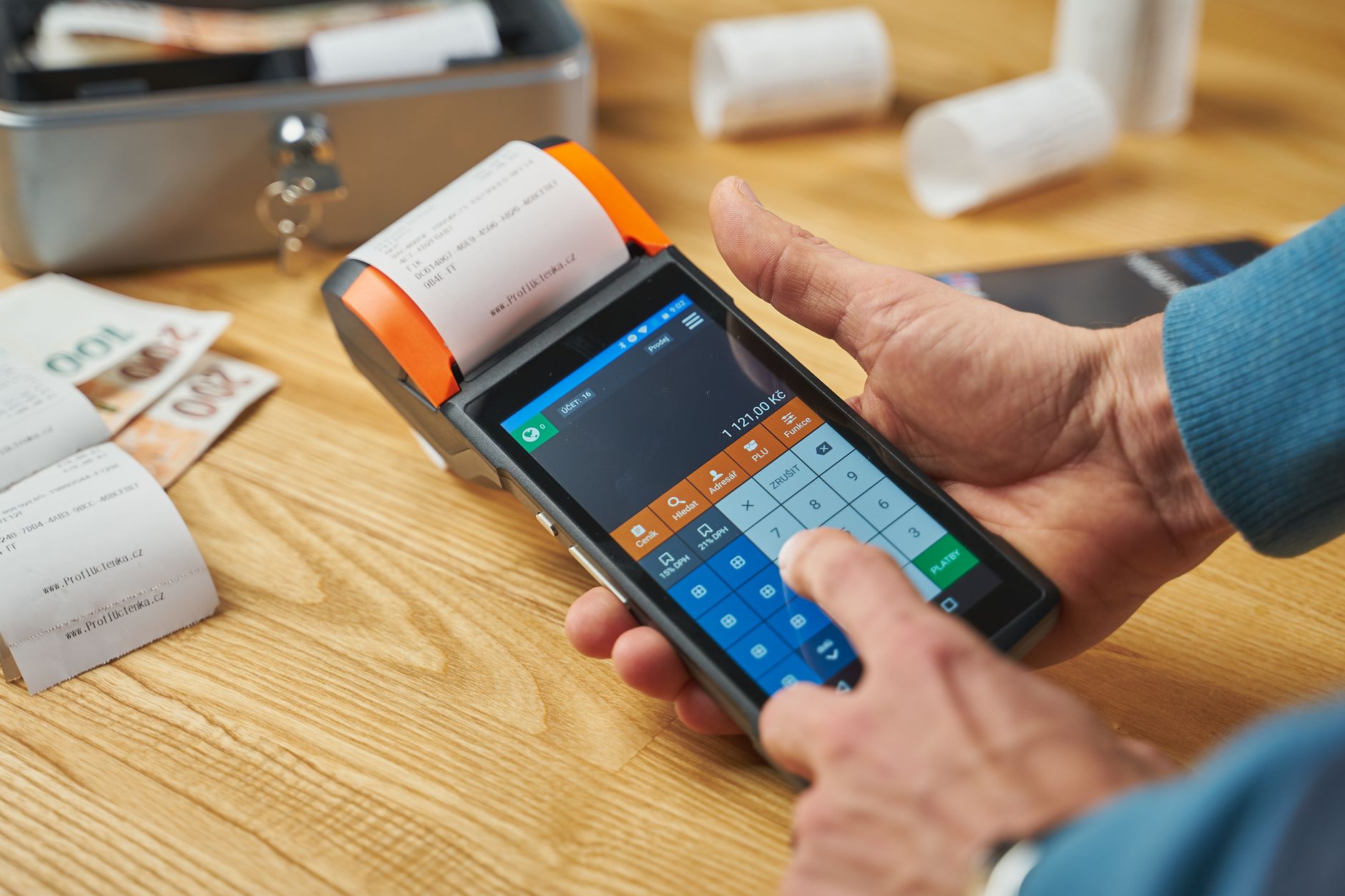
The fundamental mechanism involves automated communication sequences. Once an invoice is due or becomes overdue, the software automatically triggers predefined actions, such as sending friendly reminders via email or SMS. These reminders can be customized in terms of timing, frequency, and tone, escalating the message gently as the payment delay increases. For example, a reminder might be sent a few days before the due date, another on the due date, and then a series of more urgent notifications at 7, 14, and 30 days past due. Beyond reminders, many platforms offer client portals where customers can easily view their outstanding invoices, track payment status, and make payments directly, often through integrated payment gateways. This reduces friction in the payment process, making it easier for clients to pay on time. Furthermore, the software provides a centralized dashboard for business owners to monitor all outstanding invoices, track the status of each, and generate detailed reports on collection effectiveness, aging receivables, and overall cash flow. This comprehensive oversight is invaluable for proactive financial management and strategic decision-making.
Key Features and Functionalities
Modern invoice collection software offers a suite of functionalities beyond simple reminders. These often include:
- Automated Reminders: Customizable email and SMS sequences based on payment due dates.
- Payment Portals: Secure, branded portals for clients to view and pay invoices directly.
- Payment Gateway Integration: Seamless connections with popular payment processors like Stripe, PayPal, and credit card services.
- Invoice Tracking: Real-time visibility into invoice status (sent, viewed, partially paid, paid, overdue).
- Aging Reports: Detailed reports showing how long invoices have been outstanding, helping prioritize collection efforts.
- Dispute Management: Tools to track and resolve payment disputes efficiently.
- Communication Templates: Pre-written, professional templates for various stages of the collection process.
- CRM Integration: Connecting with client management systems for a holistic view of client interactions.
Boosting Cash Flow and Saving Time with Smart Automation
The primary benefit of adopting a dedicated invoice collection software is its profound impact on your business's financial health and operational efficiency. Imagine reclaiming hours previously spent on manual follow-ups, allowing you to reallocate that precious time to revenue-generating activities, strategic planning, or simply enjoying a better work-life balance. This is the power of smart automation. By taking the repetitive and often uncomfortable task of payment reminders off your plate, the software ensures consistency and professionalism in every communication. Automated reminders are sent precisely when needed, without human oversight, significantly reducing the likelihood of invoices being forgotten by clients or falling through the cracks on your end. This proactive approach dramatically shortens the average collection period, leading to a faster conversion of receivables into tangible cash. A consistent inflow of funds means improved liquidity, enabling your business to meet its financial obligations, invest in growth opportunities, and weather unexpected economic fluctuations with greater resilience. According to a report by the Federal Reserve, small businesses continue to cite cash flow as a primary concern, and automating collections is one of the most effective strategies to address this. Learn more about improving your business's financial health on reputable sources like Forbes.

Beyond direct cash flow improvements, the efficiency gains are substantial. Reduced administrative overhead translates into cost savings. You might defer hiring additional administrative staff whose primary role would have been accounts receivable management. Furthermore, the detailed reporting capabilities offered by these platforms provide invaluable insights into your payment patterns, identifying problematic clients or persistent payment issues early on. This allows you to adjust your invoicing terms, payment methods, or even client agreements proactively. For freelancers and small business owners, this level of financial control is empowering, transforming what was once a reactive and stressful process into a proactive, predictable, and manageable system. Automating collections not only ensures payments are received faster but also contributes to a more professional image and stronger client relationships by maintaining a consistent, polite, and firm communication channel without personal awkwardness. For more insights on financial management strategies, check out our guide on Cash Flow Management Software for Small Business: Your 2026 Guide.
Choosing the Right Invoice Collection Software for Your Business in 2026
Selecting the ideal invoice collection software can feel overwhelming given the myriad options available in 2026. However, by focusing on a few key criteria tailored to your specific business needs—whether you're a freelancer, an independent professional, or an SME owner—you can make an informed decision.
Scalability and Growth Potential
Consider where your business is heading. A solution that serves you well today should also be able to grow with you. Does it support an increasing number of clients, invoices, or team members? Look for flexibility in pricing tiers and feature sets that can be expanded as your business scales. You don't want to outgrow your software too quickly, incurring the cost and hassle of switching systems.
Ease of Use and User Interface
For busy entrepreneurs, simplicity is paramount. The software should have an intuitive, user-friendly interface that requires minimal training to master. Complex systems, no matter how powerful, will only add to your workload. Look for clear dashboards, easy navigation, and straightforward setup processes. Test out free trials to ensure the user experience aligns with your comfort level and workflow.
Integration Capabilities
Your invoice collection software won't operate in a vacuum. It needs to seamlessly integrate with your existing accounting software (e.g., QuickBooks, Xero), CRM, and preferred payment gateways (e.g., Stripe, PayPal, Square). Robust integrations minimize manual data entry, reduce errors, and create a unified financial management ecosystem. This connectivity is crucial for a smooth and efficient workflow.
Customization and Flexibility
Every business has unique needs. Can you customize reminder schedules, message templates, and branding? The ability to tailor communications ensures they reflect your brand's voice and maintain strong client relationships. Look for options to set different collection policies for different client segments or invoice types. For instance, you might have a gentler approach for long-term clients compared to new ones.
Security and Data Privacy
Handling financial data requires stringent security measures. Ensure the software provider employs industry-standard encryption, complies with relevant data protection regulations (e.g., GDPR), and has a strong track record of protecting sensitive information. Understanding their data backup and recovery policies is also vital. Reputable providers will transparently outline their security protocols.
Reporting and Analytics
Robust reporting features are non-negotiable. The software should provide clear insights into your accounts receivable aging, payment trends, and the effectiveness of your collection efforts. These analytics empower you to make data-driven decisions, identify areas for improvement, and forecast cash flow more accurately. Understanding your financial metrics is key to proactive management.
Customer Support and Resources
Even the most intuitive software can present challenges. Assess the quality of customer support available – whether it's via chat, email, phone, or a comprehensive knowledge base. Timely and effective support can be a lifesaver when you encounter an issue or need guidance. Look for providers that offer tutorials, FAQs, and responsive help desks. Invoiceror, for example, offers extensive Tutorials-How to and Video Tutorials – How to use to assist users.
By carefully evaluating these factors, you can select an invoice collection software that not only addresses your current pain points but also supports your long-term business objectives in 2026 and beyond.
Implementing and Maximizing Your Invoice Collection Software
Once you've chosen your invoice collection software, effective implementation is key to unlocking its full potential. The transition should be smooth, aiming to enhance your financial processes rather than disrupt them. Start by dedicating time to initial setup, which typically involves connecting your existing invoicing or accounting systems and importing client data. Many software solutions offer guided onboarding processes and migration tools to simplify this step.

A crucial step is customizing your automated communication sequences. Define your reminder schedule, tailoring the timing and tone of messages to align with your brand voice and client relationships. For instance, you might send a polite reminder email three days before an invoice is due, followed by a more direct message on the due date, and progressively firmer communications at regular intervals for overdue payments. Utilize the available templates but personalize them to sound authentic to your business. Educate your team (if applicable) on how to use the new system, ensuring everyone understands their roles and how to access relevant information. Consistent use across your business is vital for accurate tracking and effective collections. Regularly review the performance reports generated by the software. Analyze metrics like average days to pay, overall collection rates, and the effectiveness of different reminder strategies. These insights will help you continually refine your approach, identify bottlenecks, and optimize your collection workflow for even greater efficiency. Proactively address any recurring payment issues with specific clients or payment methods. Perhaps a particular client consistently pays late; the software’s data can inform a direct conversation or a change in payment terms. Remember, the goal is not just to automate but to smart-automate, using data to drive better financial outcomes.
Best Practices for Optimal Use
- Communicate Clearly: Inform clients about your new automated system and payment portal. Transparency helps avoid confusion.
- Regular Review: Periodically check your aging reports and cash flow projections to stay ahead of potential issues.
- Integrate Fully: Leverage all available integrations with your accounting and CRM systems for a unified view.
- Feedback Loop: Pay attention to client feedback on payment processes; it can highlight areas for improvement in your software setup.
- Stay Updated: Ensure your software is always running the latest version to benefit from new features and security enhancements.
Conclusion
In the competitive landscape of 2026, embracing smart technology is no longer optional for freelancers, independent professionals, and SME owners—it’s essential. Invoice collection software represents a powerful shift from reactive payment chasing to proactive financial management, fundamentally transforming your business's cash flow and operational efficiency. By automating reminders, providing clear payment portals, and delivering invaluable insights through robust reporting, these solutions free up your time, reduce stress, and ensure your hard-earned money arrives in your accounts promptly.
Embrace the future of effortless financial management. Stop letting missed payments hold your business back and start building a stronger, more predictable financial foundation. Ready to revolutionize your accounts receivable? Explore Invoiceror's advanced features and see how our tailored solutions can empower your business to thrive. Sign up today and experience the difference smart automation can make!
Related posts:
 Revolutionizing Your Business Workflow: The Definitive Guide to Using a Smart Invoice Generator in 2026
 The Future of Billing: Why Your 2026 Business Needs More Than Just a Free Invoice Template
The Future of Cash Flow: Why AI-Powered Invoicing Software for Small Business is the 2026 Standard
The Future of Billing: Why Your 2026 Business Needs More Than Just a Free Invoice Template
The Future of Cash Flow: Why AI-Powered Invoicing Software for Small Business is the 2026 Standard
 Beyond the Spreadsheet: Why a Smart Small Business Invoicing Tool is Your Best Hire in 2026
 Beyond the Backburner: Why Smart Inventory Management is Your Freelance Superpower in 2026
 Automated Invoicing: Effortless Billing for Your Business
Streamline Billing with Top Invoice Management Software
Cash Flow Management Software for Small Business: Your 2026 Guide
Streamline Success: Top Customer Billing Software for 2026
Seamless Invoicing System: Your Business Edge
Automated Invoicing: Effortless Billing for Your Business
Streamline Billing with Top Invoice Management Software
Cash Flow Management Software for Small Business: Your 2026 Guide
Streamline Success: Top Customer Billing Software for 2026
Seamless Invoicing System: Your Business Edge