
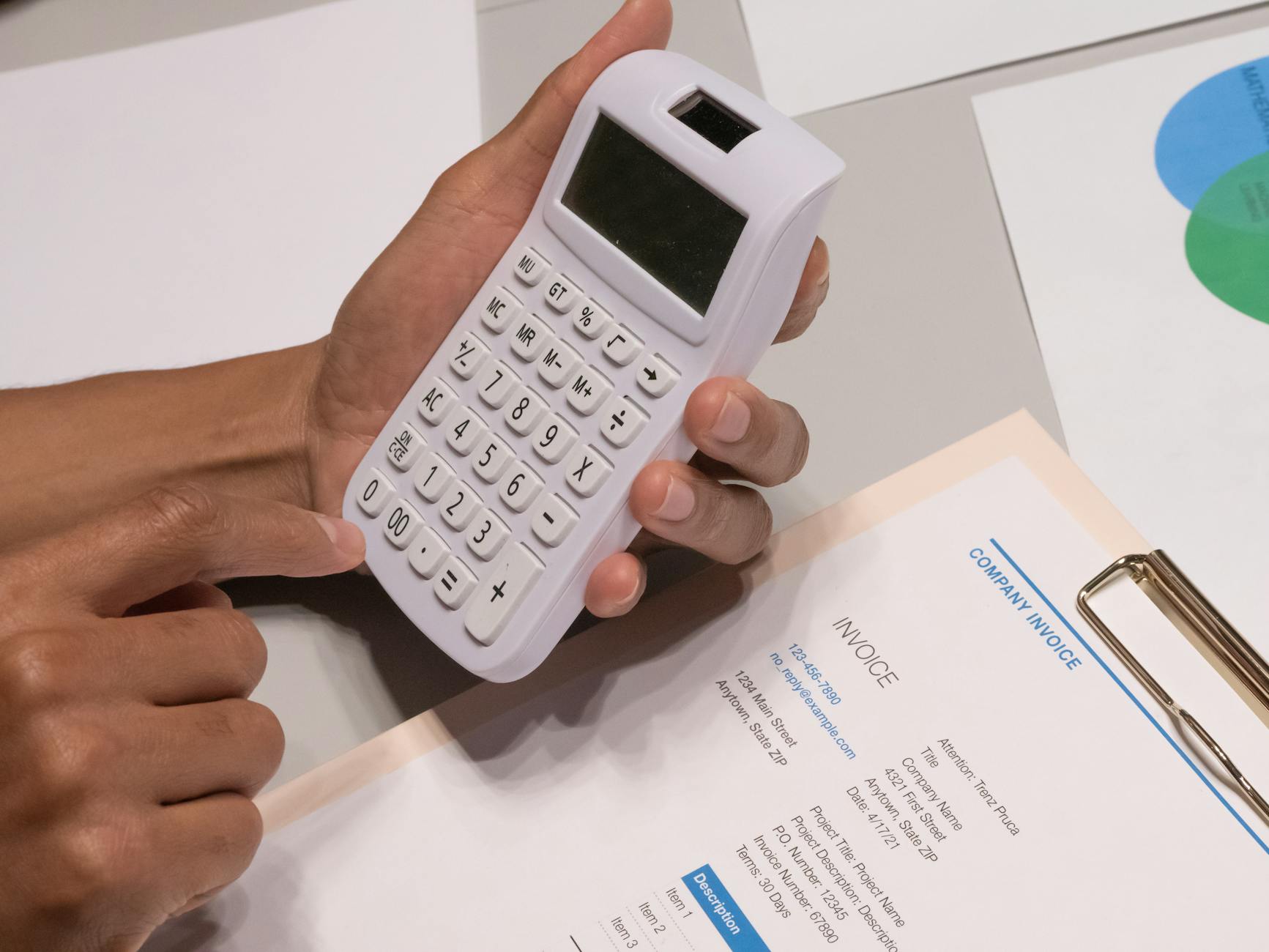
In the dynamic business landscape of 2026, the humble invoice has evolved from a simple billing document into a powerful tool for financial management, client communication, and brand building. For freelancers, independent professionals, entrepreneurs, and small to medium enterprise (SME) owners, a well-crafted, modern invoice for small business isn't just about getting paid; it’s about establishing professionalism, ensuring legal compliance, and streamlining operations.
Gone are the days when a basic handwritten note sufficed. Today's digital-first economy, increasingly influenced by AI and automation, demands an invoice that is not only accurate but also efficient, secure, and user-friendly. At Invoiceror, we understand the unique challenges and opportunities faced by small businesses. Our mission is to empower you with smart, simple, and effective invoicing solutions that propel your business forward.
This comprehensive guide will walk you through everything you need to include in your modern invoice, highlighting best practices for 2026 and beyond. From foundational essentials to cutting-edge enhancements, learn how to optimize your invoicing process for maximum efficiency and professionalism.
The Evolution of the Invoice: From Paper Trails to Digital Streams
Just a decade ago, many small businesses still relied on printed invoices, carbon copies, and snail mail for their billing. While functional, this system was notoriously slow, prone to errors, and a significant drain on resources. The mid-2010s saw a rapid shift towards email-based PDFs, a step forward in speed but often lacking in interactive features or integrated payment options.
Fast forward to 2026, and the modern invoice for small business is an entirely different beast. Driven by advancements in cloud computing, AI, and secure payment gateways, today’s invoices are often interactive digital documents that facilitate instant payments, provide real-time tracking, and integrate seamlessly with accounting software. This evolution isn't just about convenience; it's about competitive advantage. Businesses that embrace smart, automated invoicing solutions like Invoiceror gain significant advantages in cash flow management, reduced administrative burden, and enhanced client experience. The agility offered by digital invoicing is critical for small businesses to thrive in an economy that values speed and precision above all.
Foundational Elements: The Non-Negotiables for Every Small Business Invoice

Regardless of how advanced your invoicing system becomes, certain core elements remain absolutely essential. These are the legal and practical cornerstones that ensure your invoice is valid, clear, and unambiguous. Missing any of these can lead to payment delays, confusion, or even legal complications.
Your Business Identity
Every invoice must clearly identify who is issuing it. This might seem obvious, but attention to detail here builds trust and professionalism.
- Your Full Business Name: The legal name of your business or your full personal name if you're a sole proprietor.
- Your Business Address: The official physical address.
- Contact Information: This includes your phone number, email address, and optionally, your website URL. Make it easy for clients to reach you with questions.
- Your Business Logo: A professional logo instantly makes your invoice recognizable and reinforces your brand identity. It adds a touch of polish and professionalism.
Client's Business Identity
Just as important as identifying yourself, you need to clearly identify who the invoice is being sent to.
- Client's Full Business Name: Or the full name of the individual if billing a person.
- Client's Address: The official billing address.
- Client's Contact Information: An email address for sending the invoice is crucial. A phone number can also be helpful for follow-ups.
- Attention Line (Optional): If you're sending to a larger company, including "Attention: [Contact Person's Name/Department]" can help ensure it reaches the right person quickly.
Unique Invoice Number & Date
These two elements are critical for record-keeping and tracking, both for your business and for your client.
- Unique Invoice Number: Every invoice you send must have a distinct, sequential number. This is vital for accounting, auditing, and referencing specific transactions. A typical format might be
INV-2026-0001or[ClientShortCode]-26-001. Invoiceror can automate this for you, ensuring no duplicates and easy chronological tracking. - Invoice Date: The date the invoice was issued. This is the starting point for calculating payment due dates.
Clear Description of Goods/Services
This is where you detail exactly what the client is paying for. Vague descriptions can lead to disputes and delays.
- Itemized List: Break down each product or service provided into separate line items.
- Description: For each item, provide a clear, concise description. For services, specify the nature of the work (e.g., "Web Design – Homepage Layout," "Consulting – Q3 Marketing Strategy Meeting"). For products, include model numbers, colors, sizes, etc.
- Quantity: How many units of the product, or how many hours/days of service.
- Unit Price/Rate: The cost per unit or per hour/day.
- Line Item Total: The quantity multiplied by the unit price.
Total Amount Due & Currency
Crystal clarity here prevents any ambiguity about the final sum owed.
- Subtotal: The sum of all line items before taxes or discounts.
- Total Amount Due: The final amount your client needs to pay, clearly displayed and easy to find.
- Currency: Always specify the currency (e.g., USD, EUR, GBP) to avoid international payment confusion.
Modern Enhancements: What Sets a 2026 Invoice Apart
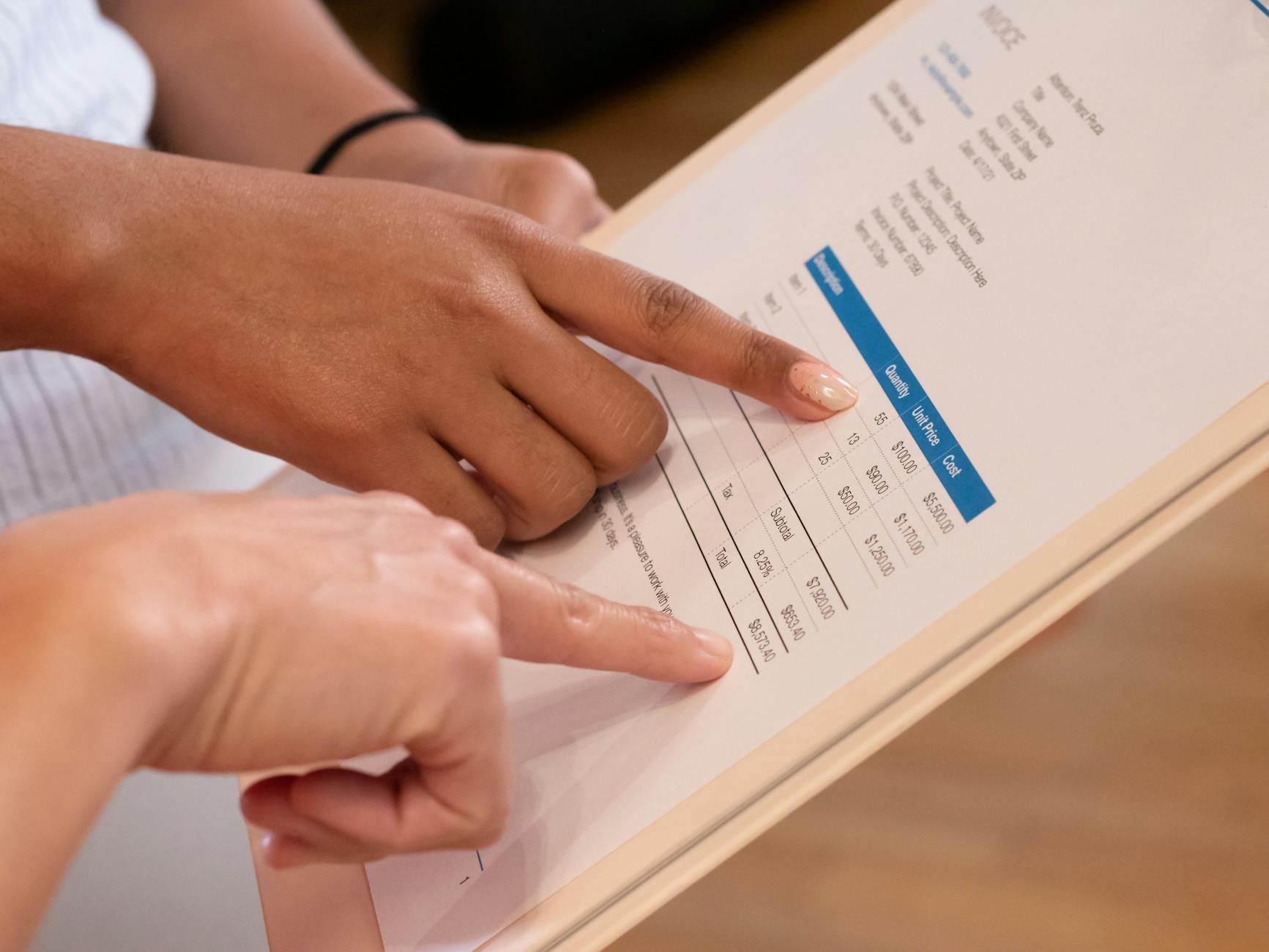
Beyond the essentials, a modern invoice for small business in 2026 integrates features that enhance convenience, improve compliance, and strengthen client relationships. These aren't just "nice-to-haves" but increasingly expected components of professional billing.
Dynamic Payment Options
The easier you make it for clients to pay, the faster you get paid. A modern invoice offers multiple payment gateways.
- Online Payment Links: Integrate direct links to secure payment platforms (Stripe, PayPal, Square, etc.). Invoiceror makes this effortless, embedding clickable payment buttons directly into your digital invoices.
- QR Codes: For quick mobile payments, a QR code that links directly to your preferred payment gateway or bank transfer details is increasingly popular.
- Bank Transfer Details: Always include your bank account number and sort code (or SWIFT/IBAN for international payments) for clients who prefer direct transfers.
- Digital Wallet Options: As mobile payments grow, consider supporting options like Apple Pay or Google Pay if your payment processor allows.
Detailed Payment Terms & Due Dates
Clarity on when and how payment is expected is paramount.
- Payment Due Date: Clearly state the exact date payment is expected. "Net 30" is common, meaning payment is due 30 days from the invoice date. Be specific (e.g., "Due By: October 31, 2026").
- Late Payment Policy: Outline any penalties for overdue payments, such as interest rates or late fees. This should be agreed upon beforehand, perhaps in your service agreement, but reiterating it on the invoice acts as a clear reminder. Check local regulations for maximum allowable late fees.
- Early Payment Discounts (Optional): If you offer incentives for early payment (e.g., "2% discount if paid within 10 days"), make this explicit.
Applicable Taxes & Discounts
Transparency regarding all financial calculations fosters trust and ensures compliance.
- Sales Tax/VAT/GST: Clearly itemize any applicable taxes. Show the tax rate and the calculated tax amount for each relevant item or the subtotal. Understanding your tax obligations is crucial; reliable resources like the IRS website (for US businesses) provide excellent guidance.
- Discounts: If you've applied any discounts (e.g., promotional, volume-based), show these clearly as deductions from the subtotal.
Project or Reference Numbers
Especially useful for larger clients or ongoing projects.
- Client PO Number: If your client provides a Purchase Order (PO) number, include it on your invoice. This helps them internally track and approve payments faster.
- Internal Project ID: If you use your own project management system, including your internal project ID can help you and your client cross-reference work.
A Personal Touch & Call to Action
Even in a digital world, a personal touch goes a long way.
- Thank You Note: A simple "Thank you for your business!" or a brief, personalized message shows appreciation and reinforces client relationships.
- Feedback/Review Request: Politely encourage clients to leave a review or provide feedback. This is invaluable for marketing and continuous improvement.
- Next Steps/Call to Action: If appropriate, you could include a soft call to action, such as "We look forward to collaborating on your next project!" or "Visit our website for more services."
The Role of Technology: Smart Invoicing for the Savvy Entrepreneur

In 2026, relying on manual processes for your invoice for small business is not just inefficient; it's a competitive disadvantage. This is where modern invoicing software like Invoiceror truly shines, transforming a tedious task into a powerful automated system.
- Automation & Efficiency: Invoiceror allows you to create professional invoices in minutes, not hours. Template customization, automated numbering, and pre-filled client details drastically reduce data entry errors and save valuable time. Recurring invoices can be set up to send automatically, perfect for subscription services or ongoing retainers.
- Real-time Tracking & Reporting: Know the status of every invoice at a glance. See which invoices are sent, viewed, partially paid, or overdue. Robust reporting features help you analyze cash flow, track client payment habits, and forecast future revenue, giving you a clear financial picture of your business.
- Integrated Payment Gateways: Seamlessly integrate with popular payment processors, enabling your clients to pay directly from the invoice with a single click. This significantly speeds up payment collection and improves the overall client experience.
- Expense Management: Beyond just invoices, comprehensive platforms often allow you to track expenses, further simplifying your financial reconciliation and tax preparation.
- Cloud-Based Accessibility: Access your invoices, client data, and financial reports from anywhere, on any device. This flexibility is crucial for today's mobile entrepreneurs.
- Security & Compliance: Modern invoicing platforms ensure your data is secure, often encrypted, and backed up. They also help you stay compliant with evolving tax regulations and data protection laws.
- Integration with Accounting Software: Connect your invoicing directly with popular accounting software (like QuickBooks, Xero) to automate reconciliation, reducing manual data entry and ensuring your books are always accurate. This holistic approach to financial management is a cornerstone of efficient small business operations in 2026. Learn more about how our features streamline your workflow by visiting our Invoiceror Features page.
Embracing smart invoicing technology isn't just about sending bills; it's about building a robust financial infrastructure that supports sustainable growth. It frees up your time to focus on what you do best: running your business. Ready to experience the difference? Explore our Invoiceror Pricing options and find a plan that fits your business needs.
Common Pitfalls to Avoid in Your Small Business Invoice Strategy
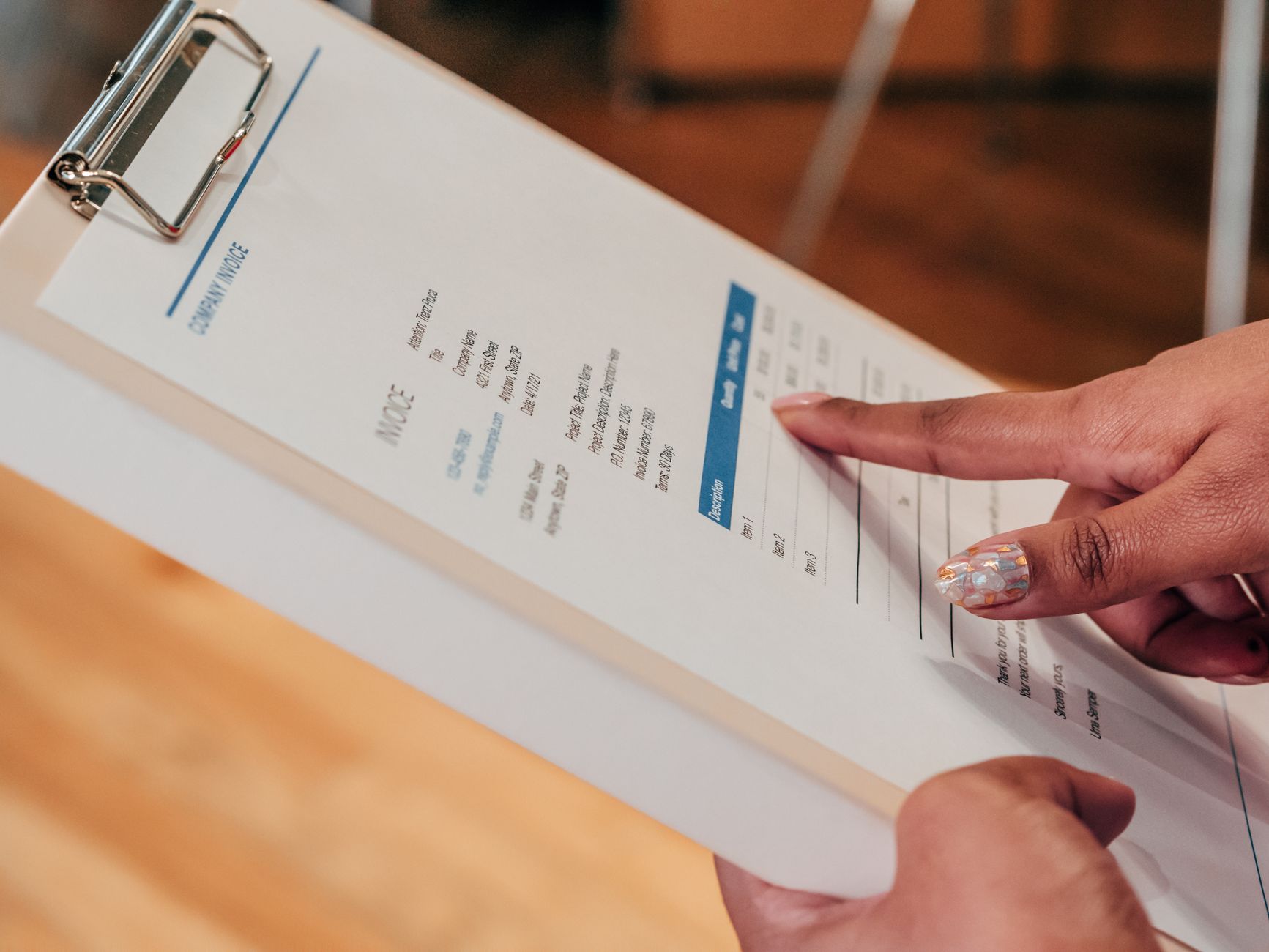
Even with the best intentions and the latest tools, small businesses can fall into common invoicing traps that delay payments, damage client relationships, or create administrative headaches. Being aware of these pitfalls is the first step to avoiding them.
- Incomplete or Inaccurate Information: This is the most common mistake. Missing client details, incorrect amounts, or vague service descriptions lead to queries, delays, and a perception of unprofessionalism. Always double-check every detail before sending.
- Lack of Clear Payment Terms: If your client doesn't know when and how to pay, they won't. Ambiguous due dates or an absence of late payment policies create uncertainty and make it harder to chase overdue invoices. Clarity here is key, as emphasized in guides by organizations like the U.S. Small Business Administration (SBA) regarding clear billing practices.
- Neglecting Follow-Up: Sending an invoice isn't the end of the process. Many small businesses are hesitant to follow up, but proactive reminders can significantly improve payment rates. Automated reminders through Invoiceror can handle this delicately and effectively.
- Not Customizing for Different Clients: While templates are great, a one-size-fits-all approach can sometimes miss specific client requirements (e.g., requiring a PO number, specific billing cycles). A modern invoice system allows for easy customization to accommodate individual client needs.
- Overlooking Digital Security: In a world rife with cyber threats, sending invoices via unsecured channels or not using encrypted payment links can expose both your business and your client to risk. Ensure your invoicing platform uses robust security measures.
- Ignoring Local and International Regulations: Tax laws (like VAT or GST) vary significantly by region and country. If you have international clients, understanding currency conversions and specific billing requirements is vital. Staying informed on these changing regulations is crucial for compliance.
- Underestimating the Power of Analytics: Simply sending invoices isn't enough. Not leveraging the data provided by invoicing software (e.g., average payment times, most profitable services) means missing out on valuable insights that can help optimize your business. For more detailed advice on managing payment terms effectively, refer to our Invoiceror Guide to Payment Terms.
Avoiding these pitfalls requires diligence, attention to detail, and often, the right technology to support your efforts.
Conclusion: Empowering Your Small Business with the Perfect Invoice
In 2026, the modern invoice for small business is far more than a mere transaction document. It's a testament to your professionalism, a driver of efficient cash flow, and an integral component of your brand identity. By meticulously including all the foundational elements, integrating modern enhancements, and leveraging smart technology, you transform a necessary administrative task into a strategic asset.
A well-structured invoice fosters trust, minimizes payment delays, ensures legal compliance, and ultimately frees up your time to focus on growth and innovation. At Invoiceror, we are dedicated to providing freelancers, entrepreneurs, and SME owners with powerful, intuitive, and supportive invoicing solutions designed for the demands of the modern business world.
Don't let outdated invoicing practices hold your business back. Embrace the future of billing with confidence and clarity. Start streamlining your operations, enhancing your client relationships, and securing your financial future today with Invoiceror.
Related posts:
 Revolutionizing Your Business Workflow: The Definitive Guide to Using a Smart Invoice Generator in 2026
 The Future of Billing: Why Your 2026 Business Needs More Than Just a Free Invoice Template
 Beyond the Spreadsheet: Why a Smart Small Business Invoicing Tool is Your Best Hire in 2026
 Automated Invoicing: Effortless Billing for Your Business
 Cash Flow Management Software for Small Business: Your 2026 Guide
 Streamline Success: Top Customer Billing Software for 2026
 Seamless Invoice Payment Processing: Get Paid Effortlessly
 Invoice Management: Seamless Growth for Your Business
 Accounts Receivable Software: Stabilize Your Income in 2026
 Streamline Your Finances: Professional Client Invoicing Forms for Freelancers and SMEs in 2026