

Are you a freelancer, independent professional, or an SME owner juggling countless tasks, from client acquisition to project delivery and, inevitably, invoicing? If so, you're likely familiar with the silent drains on your time and resources: manual billing. In 2026, the landscape of business management demands more than just efficiency; it calls for smart automation. That's precisely where automated billing for small business solutions steps in, not just to simplify your financial operations but to significantly boost your profitability and free up valuable time you can reinvest into growth. This comprehensive guide will explore how transitioning to an automated billing system can transform your small business, turning invoicing from a chore into a strategic advantage.
Why Automated Billing for Small Business is Non-Negotiable in 2026

The modern business environment is characterized by speed, competition, and the constant need for optimization. For small businesses and independent professionals, every minute and every dollar counts. Manual billing, while seemingly straightforward, carries hidden costs: hours spent creating, sending, and tracking invoices; the inevitable human errors that lead to delays or disputes; and the often-stressful process of chasing late payments. These inefficiencies don't just consume time; they directly impact your cash flow and overall profitability.
Imagine a world where invoices generate themselves, reminders are sent automatically, and payments are tracked in real-time. This isn't a futuristic fantasy; it's the reality offered by automated billing systems today. As highlighted by a recent study, small businesses leveraging automation see a significant reduction in administrative overhead, allowing them to focus on core competencies and customer service. This shift from reactive financial management to proactive, intelligent automation is no longer a luxury but a strategic imperative for any small business aiming for sustained growth and profitability in 2026. Embracing automated billing for small business operations means building a more resilient, responsive, and ultimately, more profitable enterprise.
The Hidden Costs of Manual Invoicing
Beyond the obvious time sink, manual invoicing introduces several risks. Typos in account numbers, incorrect service charges, or missed payment deadlines can lead to significant financial reconciliation headaches and damage client relationships. Furthermore, without a centralized, automated system, tracking outstanding payments becomes a laborious process, making accurate cash flow forecasting nearly impossible. These inefficiencies can create a domino effect, impacting everything from your ability to pay suppliers on time to your capacity to invest in new growth opportunities.
Key Benefits of Automated Billing for Small Business
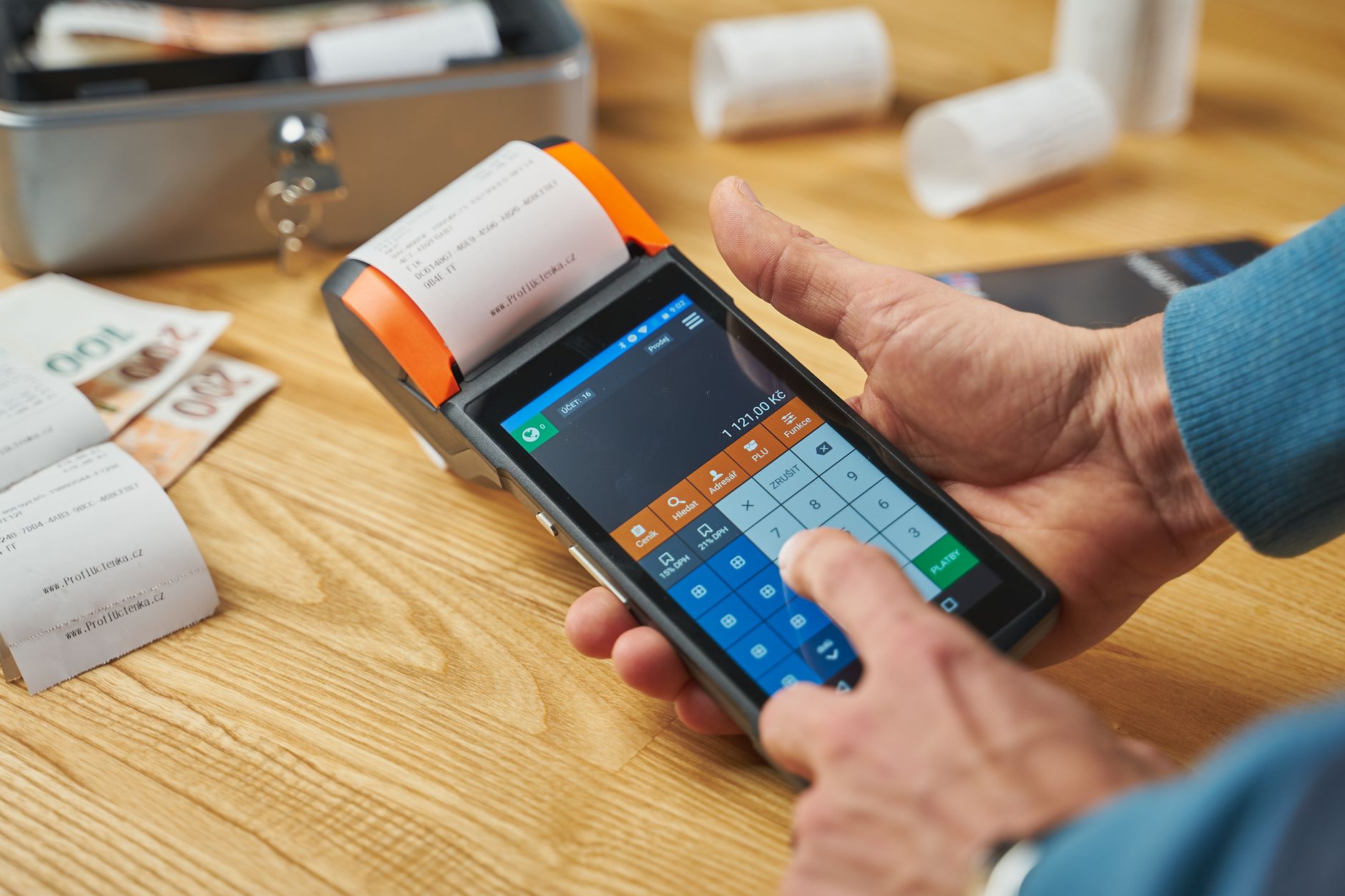
Adopting an automated billing solution for your small business unlocks a cascade of advantages that collectively contribute to a healthier bottom line and a less stressful operational experience. The immediate impact is often seen in time savings, but the ripple effects extend much further, touching every aspect of your financial health and client relationships.
Enhanced Cash Flow Management
One of the most critical benefits of automated billing for small business is its direct positive impact on cash flow. By automating invoice generation and dispatch, you ensure clients receive their bills promptly. Coupled with automated reminders, this dramatically reduces late payments. A consistent, predictable inflow of cash means you can manage your expenses more effectively, seize new opportunities, and maintain financial stability. Systems like Invoiceror integrate directly with payment gateways, further accelerating the payment process and ensuring funds hit your account faster. For a deeper dive into optimizing your finances, check out our guide on Cash Flow Management Software for Small Business: Your 2026 Guide.
Drastically Reduced Administrative Time
Imagine reclaiming hours each week that you currently spend on invoicing. Automated billing software handles the repetitive tasks: generating invoices from recurring service contracts or project data, sending them via email, and even following up. This liberation of time allows you to focus on high-value activities – serving clients, developing new products, or strategizing for growth. Freelancers and entrepreneurs, especially, find this time saving invaluable, as it directly translates to more billable hours or personal time. This efficiency is a cornerstone of modern small business success.
Minimized Human Error
Manual data entry is inherently prone to errors. A misplaced decimal, an incorrect client address, or an oversight in applying a discount can lead to disputes, delays, and a loss of professional credibility. Automated systems, by contrast, pull data from pre-configured templates, client databases, and service agreements, virtually eliminating these common mistakes. This precision ensures that your invoices are always accurate, professional, and compliant, building trust with your clients and streamlining the payment process.
Professionalism and Brand Consistency
First impressions matter. Professionally designed, consistent invoices reinforce your brand identity and communicate competence. Automated billing systems allow you to customize invoice templates with your logo, brand colors, and specific terms, ensuring every client interaction reflects your company's professionalism. This consistency not only looks good but also contributes to a smoother payment experience for your clients, enhancing their overall satisfaction.
Choosing the Right Automated Billing Solution for Your Needs

Selecting the ideal automated billing solution is a pivotal decision for any small business. The market offers a plethora of options, each with varying features, pricing structures, and user interfaces. Your choice should align closely with your specific business model, volume of transactions, and growth aspirations. It's not just about finding software; it's about finding a partner that empowers your financial operations.
Key Features to Look For
When evaluating platforms for automated billing for small business, prioritize features that directly address your pain points and future needs:
- Customizable Templates: Ability to brand invoices with your logo and colors.
- Recurring Billing: Essential for subscription services or retainer clients.
- Automated Reminders: Customizable schedules for sending payment reminders.
- Multiple Payment Gateways: Support for various online payment options (Stripe, PayPal, etc.) to offer client flexibility.
- Reporting and Analytics: Tools to track financial performance, outstanding invoices, and cash flow.
- Client Management: A centralized database for client information, payment history, and communication.
- Integration Capabilities: Seamless connection with other tools like accounting software (e.g., QuickBooks), CRM, or project management platforms.
- Security and Compliance: Robust data protection and adherence to financial regulations.
- Scalability: The ability to grow with your business, accommodating more clients and transactions without a hitch.
Invoiceror, for example, offers a robust set of Features designed to meet these exact needs, providing a seamless invoicing system for small businesses and freelancers alike.
Understanding Pricing Models
Automated billing solutions typically come with various pricing models, from free tiers with limited features to subscription-based plans scaled by the number of users, invoices, or advanced functionalities. Consider your budget but also the long-term value. A slightly higher investment in a more comprehensive system might yield greater returns in time saved and errors avoided. Always look for transparent pricing and understand what's included in each tier. You can explore our Pricing options to see what best fits your budget and operational demands.
Ease of Use and Support
A powerful system is only effective if it's easy to use. Look for an intuitive interface that requires minimal training. Excellent customer support, including video tutorials and responsive help desks, is also crucial for smooth adoption and ongoing problem-solving. A platform with a strong support infrastructure ensures you're never left in the dark when you encounter a challenge.
Implementing Automated Billing: A Seamless Transition

The prospect of transitioning to a new system can sometimes feel daunting, but implementing automated billing for small business doesn't have to be. With a clear strategy and the right platform, the process can be remarkably smooth, leading you quickly to a more efficient and profitable operation.
Step-by-Step Implementation Guide
- Assess Your Current Process: Document how you currently handle invoicing, from creation to collection. Identify pain points, bottlenecks, and areas prone to error. This assessment will help you highlight where automation will have the most significant impact.
- Choose Your Solution: Based on your needs and budget, select an automated billing software that aligns with your business goals. Take advantage of free trials to test features and user-friendliness.
- Set Up and Customize: Configure your account by uploading client data, service details, and pricing. Customize invoice templates with your branding. Ensure all tax information and payment gateway integrations are correctly set up.
- Integrate with Existing Tools: Connect your new billing system with your accounting software, CRM, or project management tools for a holistic financial overview. This ensures data consistency and reduces manual entry across different platforms.
- Pilot and Review: Start by using the automated system for a small segment of your clients or for new projects. Gather feedback and make adjustments as needed. This pilot phase helps iron out any kinks before a full rollout.
- Train Your Team (If Applicable): If you have a team, ensure they understand how to use the new system effectively. Provide clear guidelines and access to support resources. For Invoiceror, our Video Tutorials – How to use can be incredibly helpful for onboarding.
- Go Live and Monitor: Once confident, transition all your billing to the automated system. Continuously monitor its performance, review reports, and leverage the insights to further optimize your billing cycles and cash flow.
Overcoming Potential Challenges
The most common challenges during implementation include data migration, resistance to change, and initial setup complexities. Most modern automated billing solutions offer robust import tools for data, and providing clear communication about the benefits of the new system can help mitigate resistance. Leverage the support resources provided by your chosen platform to navigate any technical hurdles. Remember, the goal is long-term efficiency and profitability, making the initial effort well worth it.
Beyond Invoicing: The Full Scope of Automation's Impact

While "automated billing for small business" often brings to mind simple invoice generation, the true power of these systems extends far beyond basic invoicing. Modern platforms offer a suite of tools that elevate your entire financial management strategy, turning raw data into actionable insights and fostering smarter business decisions. This holistic approach is what truly differentiates a simple invoicing tool from a comprehensive financial operations solution.
Advanced Reporting and Analytics
Imagine having real-time insights into your financial health at your fingertips. Automated billing systems provide detailed reports on sales trends, outstanding balances, payment histories, and client profitability. These analytics are invaluable for forecasting revenue, identifying your most profitable clients or services, and understanding potential cash flow gaps before they become critical issues. This data-driven approach allows you to make informed strategic decisions, from adjusting pricing to optimizing service offerings. This is a far cry from the reactive guesswork common with manual billing.
Streamlined Project and Expense Tracking
Many advanced billing solutions integrate seamlessly with project management and expense tracking modules. This means you can track billable hours, project milestones, and associated expenses directly within the same system used for invoicing. When it's time to create an invoice, all relevant data is automatically pulled in, ensuring accuracy and saving immense time. For freelancers and project-based SMEs, this integration is revolutionary, transforming the often-clunky process of compiling project charges into a smooth, automated workflow. Explore how Project Billing Software: Boost Freelancer & SME Efficiency can further refine these processes.
Enhanced Customer Relationships
Believe it or not, automated billing can significantly improve client relationships. Transparent, accurate, and timely invoices, coupled with convenient payment options, lead to a positive client experience. Automated reminders are polite and professional, eliminating the need for awkward manual follow-ups. When clients feel their financial interactions are smooth and professional, it builds trust and satisfaction, encouraging repeat business and positive referrals. A seamless experience demonstrates that you value their business and respect their time. This level of professionalism can set your small business apart in a competitive market. As a Forbes article emphasizes, customer experience is paramount for business success, and efficient billing is a key component. Source: Forbes Small Business (Note: Link points to Forbes small business section, general authority)
Maximizing Profitability with Automated Billing

The ultimate goal of adopting automated billing for your small business is to boost your bottom line. This isn't just about saving time or reducing errors; it's about strategically leveraging the efficiencies gained to drive sustainable growth and maximize your profit margins. By understanding and actively utilizing the capabilities of your automated system, you can turn a cost center into a profit accelerator.
Strategic Pricing and Service Optimization
With detailed financial reports at your disposal, you gain an unprecedented understanding of which services or products are most profitable. Automated billing analytics can highlight areas where pricing adjustments might be needed, or where certain services are consuming disproportionate resources without adequate return. This data empowers you to optimize your service offerings, focus on high-margin activities, and implement more strategic pricing models. You can identify trends, forecast seasonal demands, and adjust your business strategy to capitalize on opportunities, all backed by concrete financial data.
Reduced Overhead and Operational Costs
Beyond the direct savings in administrative time, automated billing contributes to reducing overall operational costs. Fewer errors mean less time spent on rectifications and disputes. Faster payment collection reduces the need for extensive debt recovery efforts. Furthermore, by integrating your billing with accounting and other financial tools, you minimize the need for manual data entry across multiple platforms, leading to further efficiency gains. The cumulative effect of these small efficiencies adds up to substantial savings, directly contributing to your profit margins.
Improved Scalability for Growth
As your small business grows, so does the complexity of your billing. A manual system quickly becomes a bottleneck, hindering your ability to take on new clients or expand your services. Automated billing systems are designed to scale seamlessly. They can handle an increasing volume of invoices, clients, and transactions without requiring a proportional increase in administrative staff or time. This scalability is crucial for sustained growth, allowing you to seize new opportunities without being bogged down by operational constraints. Investing in automated billing now is investing in your business's future capacity. A well-implemented system can be a key driver for growth, as detailed by leading financial institutions like Investopedia on the importance of financial automation for businesses of all sizes. Source: Investopedia – Business Automation (Note: Link points to Investopedia definition of business automation, offering authoritative background.)
Conclusion
The journey to greater profitability for your small business in 2026 is paved with smart automation, and automated billing for small business stands as one of the most impactful steps you can take. From reclaiming invaluable time and enhancing cash flow to minimizing errors and professionalizing your client interactions, the benefits are profound and far-reaching. By embracing a robust automated billing solution, you're not just streamlining a process; you're fundamentally transforming your financial operations, building a more resilient, efficient, and ultimately, a more profitable enterprise. Stop letting manual billing drain your resources. It’s time to empower your business with the efficiency and intelligence it deserves. Explore the possibilities and take the first step towards a smarter financial future with Invoiceror.
Sign up for Invoiceror today and experience the difference automated billing can make for your small business!
Related posts:
 Revolutionizing Your Business Workflow: The Definitive Guide to Using a Smart Invoice Generator in 2026
 The Future of Billing: Why Your 2026 Business Needs More Than Just a Free Invoice Template
The Future of Cash Flow: Why AI-Powered Invoicing Software for Small Business is the 2026 Standard
The Future of Billing: Why Your 2026 Business Needs More Than Just a Free Invoice Template
The Future of Cash Flow: Why AI-Powered Invoicing Software for Small Business is the 2026 Standard
 Beyond the Spreadsheet: Why a Smart Small Business Invoicing Tool is Your Best Hire in 2026
 Beyond the Backburner: Why Smart Inventory Management is Your Freelance Superpower in 2026
 Automated Invoicing: Effortless Billing for Your Business
 Streamline Billing with Top Invoice Management Software
 Cash Flow Management Software for Small Business: Your 2026 Guide
 Streamline Success: Top Customer Billing Software for 2026
 Seamless Invoicing System: Your Business Edge